

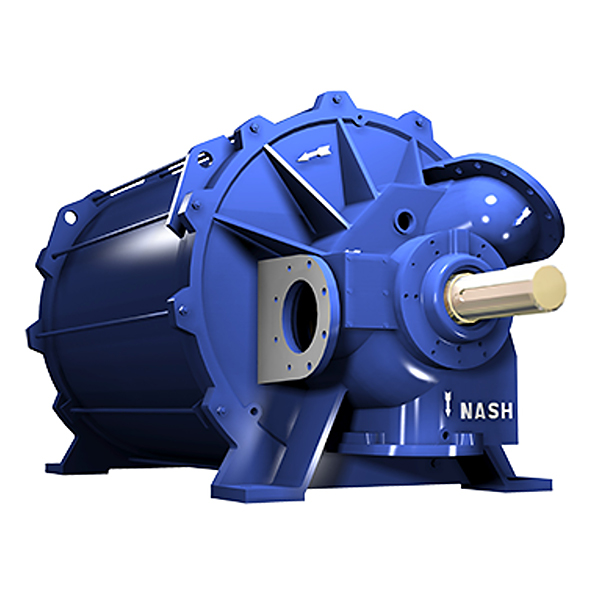
The NASH 2BV5 Monoblock Liquid Ring Vacuum Pump is a small-capacity, compact solution designed for reliable vacuum performance in space-constrained industrial environments.
With suction capacities ranging from approximately 95 to 340 ACFM, it is positioned for light-duty to moderate process applications where consistent vacuum and simplified installation are priorities.
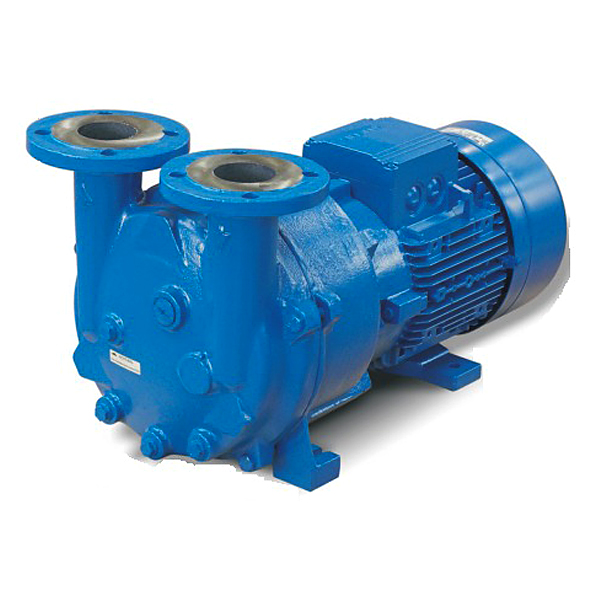
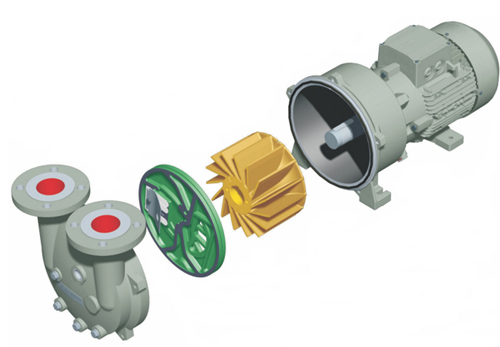
Its monoblock construction integrates the pump and motor into a single, precision-aligned unit, reducing installation complexity while minimizing maintenance requirements and footprint.
Utilizing liquid ring technology, the 2BV5 is capable of handling saturated gases, vapors, and process carryover without internal damage, making it well-suited for wet and contaminated operating conditions. This design enables smooth, nearly isothermal compression, supporting stable performance across varying process demands. Engineered for continuous-duty operation, the pump maintains dependable vacuum levels with low noise output, making it appropriate for both plant floor and OEM-integrated systems.
The 2BV5 is commonly applied in general industrial, chemical, food processing, and environmental systems where moisture tolerance, corrosion resistance, and operational simplicity are essential. Its compact footprint and quiet operation make it particularly attractive for equipment integration and facilities with limited space or noise sensitivity.
Key Characteristics
- Suction Capacity: 160 to 580 m³/h (95 to 340 ACFM)
- Vacuum Range: up to approximately 33 mbar abs. (1 inHgA), depending on operating conditions
- Maximum Discharge Pressure: up to 2.3 bar abs. (32 psia)
- Differential Pressure: up to 1.3 bar (19 psi)
- Design: Monoblock (integrated pump and motor)
- Shaft Seals: Single acting mechanical seal
- Materials of Construction: Cast iron/bronze, stainless steel
- Operation: Quiet performance with sound levels below 75 dBA
- Configuration: Compact, space-saving footprint
Ideal Applications
The NASH 2BV5 is well suited for small-capacity vacuum requirements where reliability and moisture handling are critical. Typical uses include packaging and vacuum forming, chemical vapor handling, filtration and drying processes, and general plant vacuum systems. Its ability to manage wet gases makes it a practical solution for food processing, plastics manufacturing, and environmental systems such as water treatment and filtration.
- Packaging and vacuum forming
- Chemical vapor handling and filtration
- Drying and degassing processes
- Food and beverage processing
- Plastics and thermoforming
- Environmental and water treatment systems
Industries Served
- Industrial Manufacturing and General Process Systems
- Chemical and Process industries
- Food and Beverage Production
- Plastics and Packaging Equipment
- Environmental and Water Treatment
- Pulp and Paper Processing

Related Products
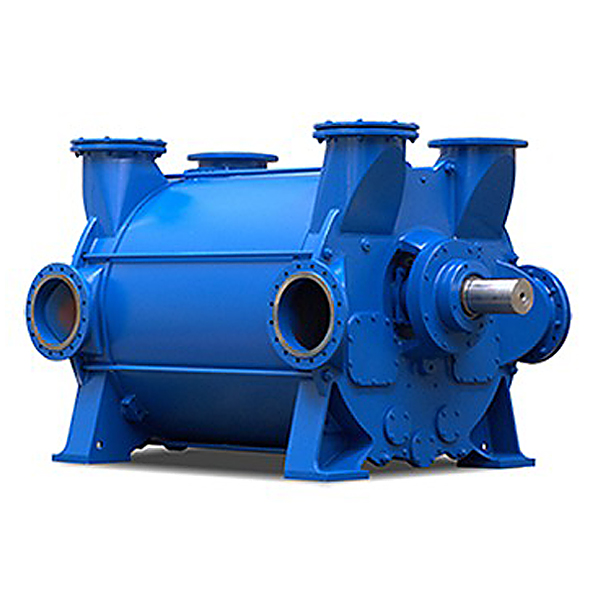
NASH 2BE4 Liquid Ring Vacuum Pump & Compressor
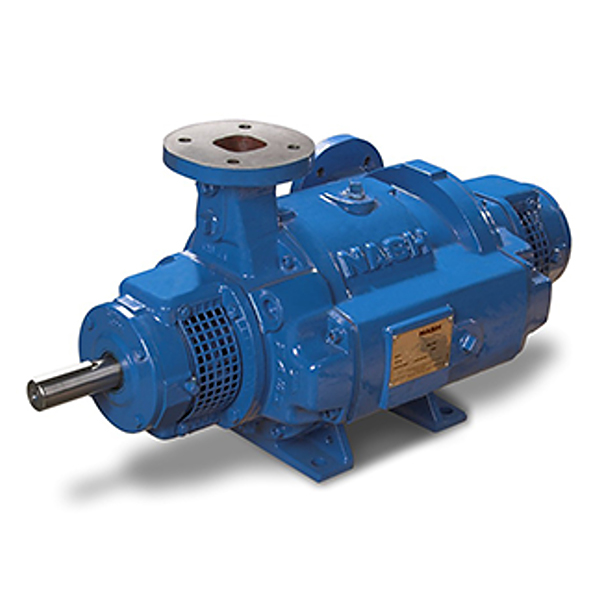
NASH TC Two-Stage Liquid Ring Vacuum Pump
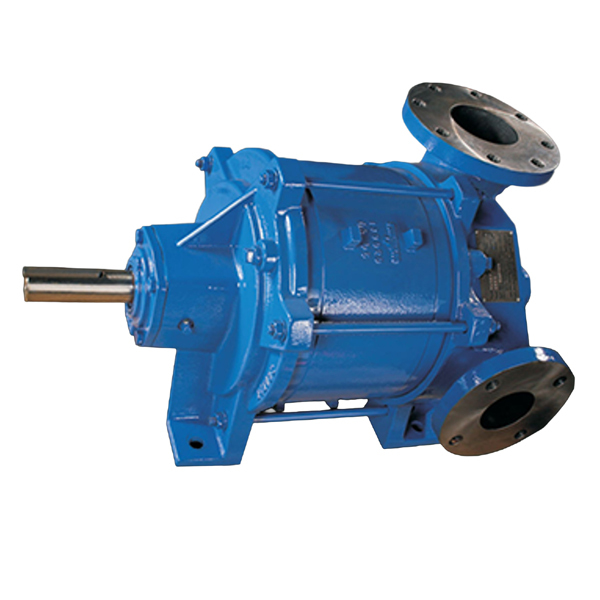
NASH Vectra GL Liquid Ring Vacuum Pump & Compressor
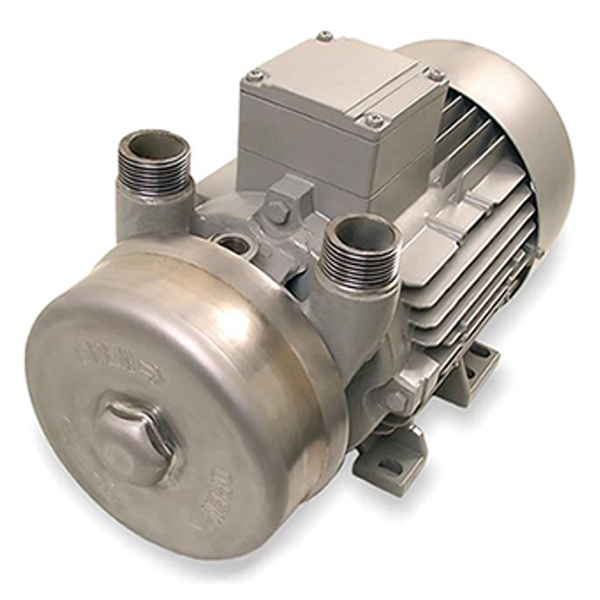
NASH 2BV7 Liquid Ring Vacuum Pump
NASH 2BV5 Monoblock Liquid Ring Pump
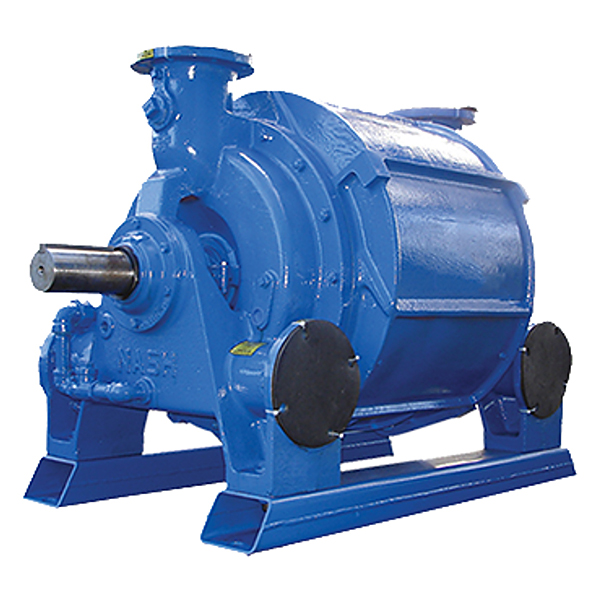
NASH Eco-Flo™ CL Liquid Ring Vacuum Pump
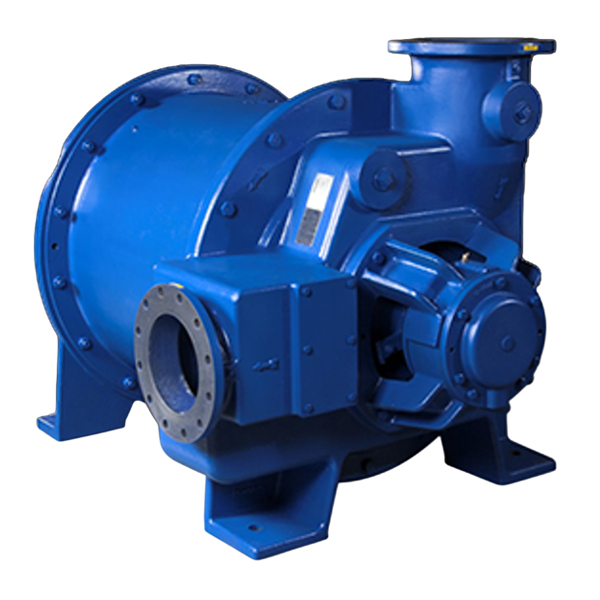
NASH Vectra XL Liquid Ring Vacuum Pump and Compressor
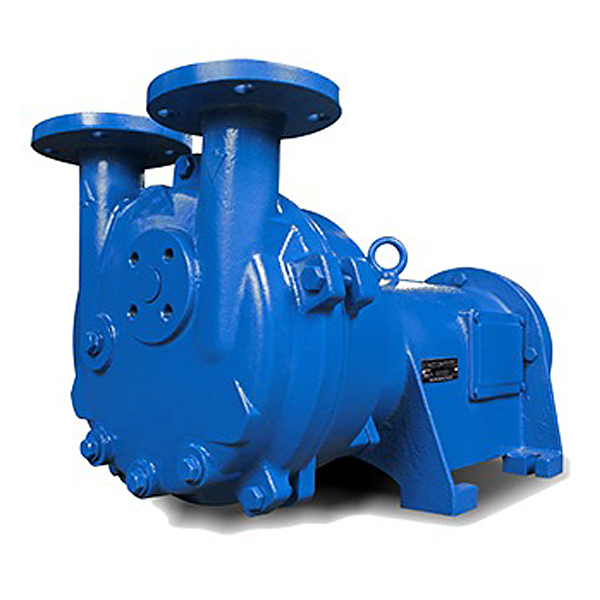
NASH 2AV2 Pedestal Mounted Liquid Ring Pump
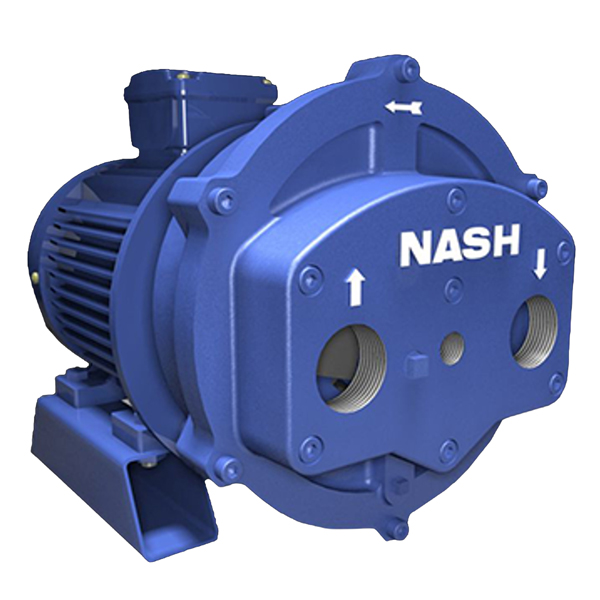
NASH Vectra SX Liquid Ring Pump & Compressor
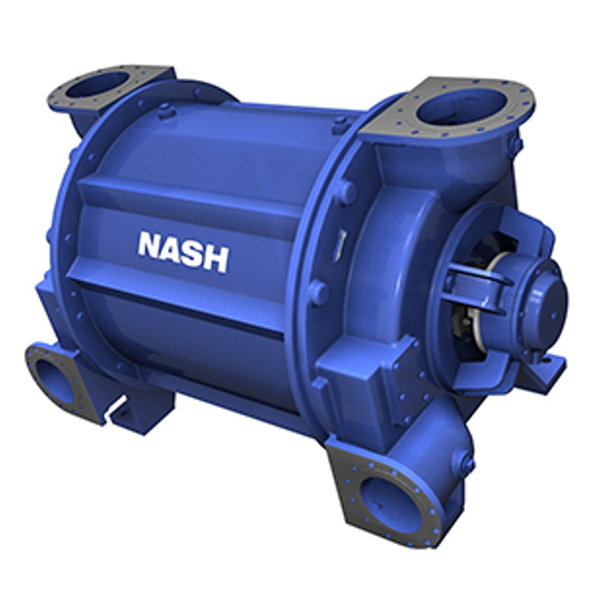
NASH 905 Liquid Ring Vacuum Pump
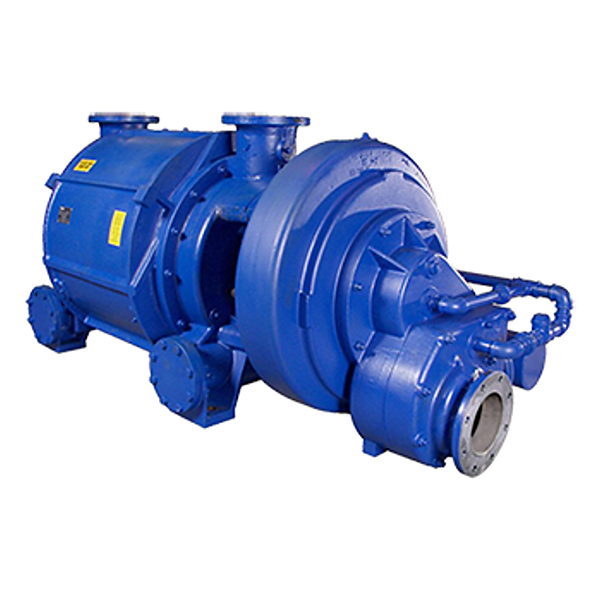
NASH AT Two Stage Vacuum Pump
NASH P2620 Liquid Ring Vacuum Pump