

Schneider Electric Foxboro DCS is a distributed control system designed for process automation environments where continuous control, operational visibility, and system reliability are critical.
As part of Schneider Electric’s EcoStruxure platform, Foxboro DCS helps connect control, operations, and plant information so teams can monitor performance, manage process variables, and support more consistent production.

Foxboro DCS is used to coordinate control across complex industrial processes with controllers, I/O, workstations, engineering tools, and operator interfaces working together as an integrated system.
It is suited for applications where operators need centralized visibility while control functions are distributed across the plant. This structure can help support system availability, process consistency, and informed decision-making in demanding operating environments.
Key Characteristics
- Product Type: Distributed control system
- Product Family: EcoStruxure Foxboro DCS
- Primary Function: Process automation and control
- Control Role: Supports monitoring, control, and coordination of process operations
- System Architecture: Distributed control platform with controllers, I/O, workstations, and software tools
- Integration Role: Connects plant control, operations, and information layers
- Application Focus: Continuous and complex process environments
- Support Needs: Useful for system upgrades, modernization, expansion, and lifecycle planning
Ideal Applications
- Process automation systems
- Plant-wide control environments
- Continuous manufacturing operations
- Control room modernization
- Distributed I/O and controller architectures
- Operator monitoring and process visibility
- System expansion or migration planning
- Integration of control systems with operational data
Related Considerations
Foxboro DCS is different from a safety instrumented system such as Triconex. Foxboro DCS supports process control and operational management, while Triconex is focused on safety-critical control functions and safe-state response. In many industrial environments, the two may be discussed together because process control and safety control must work within the same overall operating environment, but they serve different roles.

Related Products
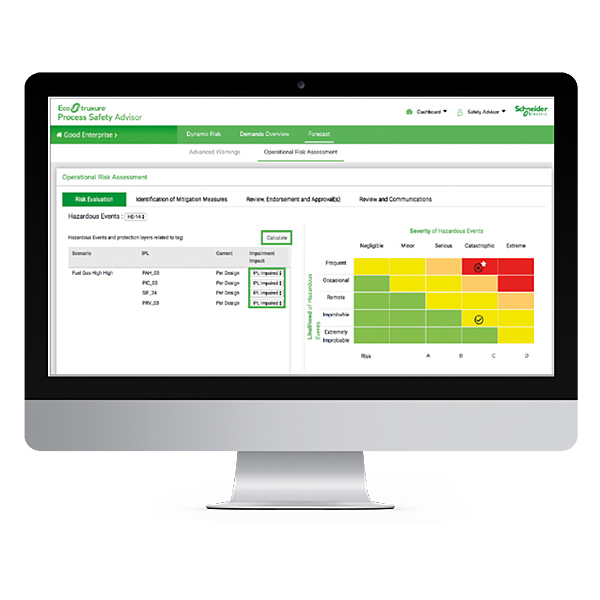
Schneider Electric EcoStruxure Process Safety Advisor
Schneider Electric Foxboro DCS
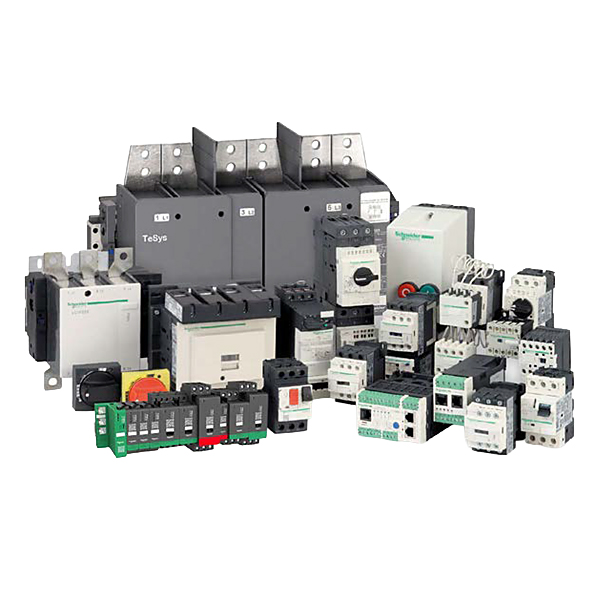
Schneider Electric TeSys Motor Controllers